
Autumn signals a major shift in coastal waters, one that both fishermen and fish respond to in clear and predictable ways. After long months of high summer heat, the gradual cooling of water temperatures triggers migrations, feeding frenzies, and school formations across both nearshore and inshore environments. For those new to saltwater fishing, this season is easier to understand when broken down step by step: what changes in the water, how bait moves, what species respond, and why conditions often make this one of the most productive times of the year.
Seasonal Changes in the Water
As autumn begins, the first noticeable difference is water temperature. Shallow estuaries, flats, and creeks cool more quickly than deeper offshore waters. This lower temperature increases oxygen content, which allows fish to remain more active for longer periods of time. During the hottest weeks of summer, many species spread thin and conserve energy. With cooler water, those same fish now have the energy to chase bait aggressively.
Oxygen is not the only factor. Autumn weather patterns bring stronger winds, shifting tides, and seasonal moon phases. This combination pushes baitfish and shrimp out of marshes and back creeks into open channels. Each time this happens, predator species gather in predictable areas to feed. From a fisherman’s perspective, this means the action is no longer scattered. Instead, entire zones become hot spots of activity.
Bait Movement and Feeding Patterns
Bait is the foundation of autumn fishing. Every major predator relies on smaller prey, and in fall, bait tends to move in large, concentrated groups.
- Mullet migration: One of the defining events in many coastal areas is the fall mullet run. Schools of mullet pour out of estuaries and push along beaches or through tidal inlets. Predators follow this highway of food.
- Shrimp flushes: Tidal changes send shrimp out of creeks and marshes, especially during strong outgoing tides. Trout, redfish, and flounder line up at choke points to intercept them.
- Other forage fish: Sardines, menhaden, and anchovies travel in big schools. Nearshore predators like mackerel and tunny slash through them, often driving bait to the surface where birds reveal the chaos.
This is why autumn fishing often looks more dramatic than other times of year. The food chain compresses into tight, visible action.
Nearshore Fishing in Autumn
Nearshore waters stretch from the surf zone out to a few miles off the beach. In fall, these waters become staging grounds for migratory predators and opportunistic feeders.
Surface Activity
Schools of bait pushed along the coastline are easy targets for fast-moving fish. Spanish mackerel and king mackerel are especially common. They strike through bait schools with such force that water appears to boil. False albacore, also called little tunny, create similar spectacles. Birds diving overhead reveal the locations where this feeding is happening.
Bottom Structure
While the surface may be alive with predators, bottom fishing remains consistent. Snapper and grouper feed more actively on reefs and wrecks in cooler conditions. Weather is often more stable than in summer storm months, which means more days are fishable.
Other Nearshore Visitors
Depending on the region, cobia can appear in nearshore waters during their seasonal movements. Jack crevalle, bluefish, and other aggressive species also mix into the action. The result is a nearshore zone full of life, both on the bottom and at the surface.
Key Nearshore Species in Fall
Breaking down the individual fish makes it easier to understand what is happening just off the beaches.
- Spanish mackerel: Found in large numbers during autumn, they travel in packs and attack schools of bait with speed. They are smaller than king mackerel but provide constant action when the run is strong.
- King mackerel: Larger and more powerful, king mackerel also follow fall bait migrations. They can be caught trolling nearshore structure or free-lining around bait schools.
- False albacore (little tunny): These fish are known for explosive runs and surface feeding frenzies. They are often spotted by watching for bird activity.
- Cobia: In some areas, cobia move through nearshore waters during fall, cruising near the surface and shadowing rays or structure.
- Snapper and grouper: On reefs and wrecks, bottom species like red snapper and gag grouper become more reliable in the cooler months.
- Jack crevalle and bluefish: These hard-fighting species chase bait aggressively and create high-energy encounters for fishermen.
By recognizing the species most likely to appear, a fisherman can better understand why nearshore waters seem so alive during the autumn season.
Inshore Fishing in Autumn
Inshore waters include bays, tidal creeks, rivers, grass flats, marshes, and estuaries. Autumn transforms these environments into some of the most reliable fishing grounds of the year.
Redfish
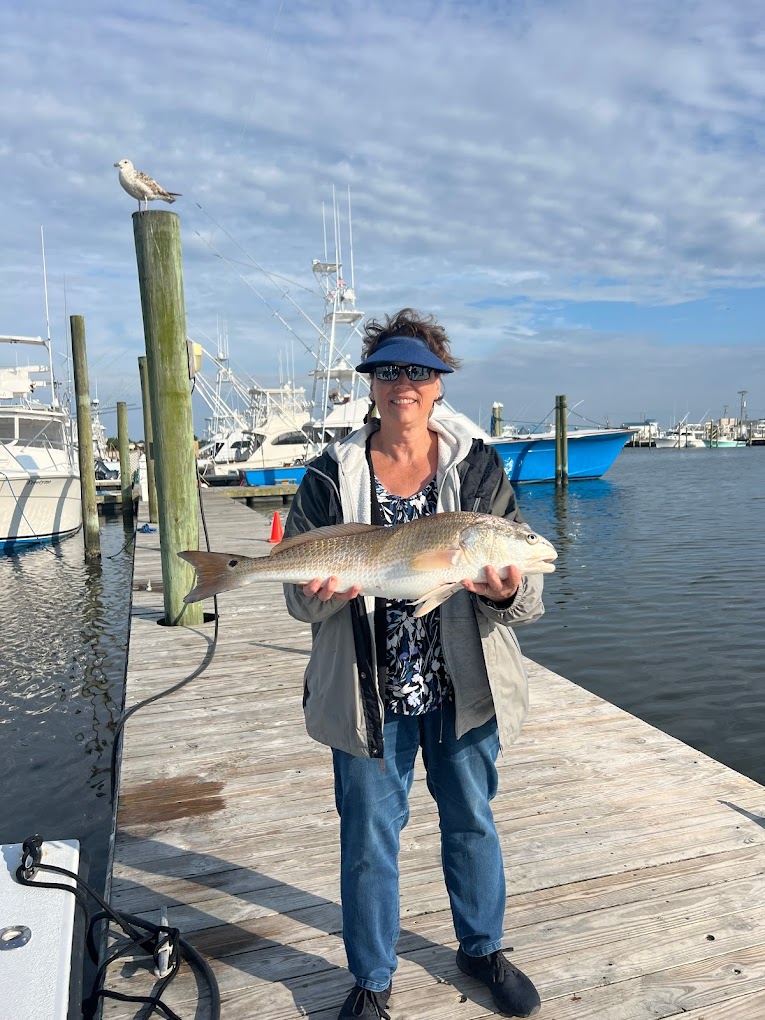
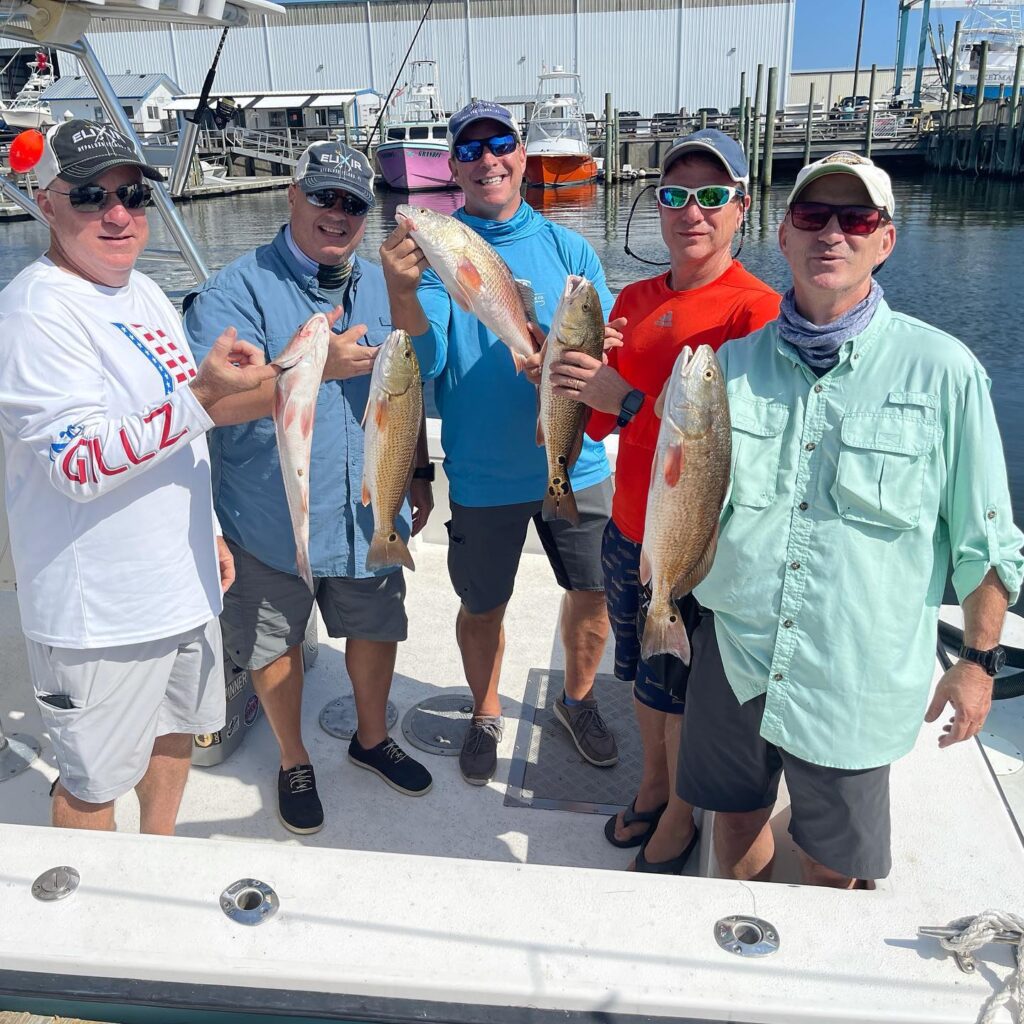
Redfish are the stars of fall inshore fishing. Instead of being scattered in singles and pairs, they gather in large schools. These schools can number in the dozens or even hundreds, and they move across shallow flats or stage in deeper channels. Their feeding behavior becomes less cautious, with tailing fish exposing themselves in shallow inshore water as they root for crabs and shrimp. For anyone fishing inshore, finding one redfish often means finding an entire group ready to bite.
Flounder
Flounder are another key autumn target. They spend much of the season feeding along sandy bottoms, passes, and drop-offs. Eventually, they migrate offshore to spawn, but before that move they stage in predictable places where they can be targeted consistently.
Sheepshead and Black Drum
Cooler water brings sheepshead and black drum into more frequent encounters around docks, pilings, and bridges. They feed on crustaceans, barnacles, and shrimp, offering steady action near structure when tides are moving.
Speckled Trout
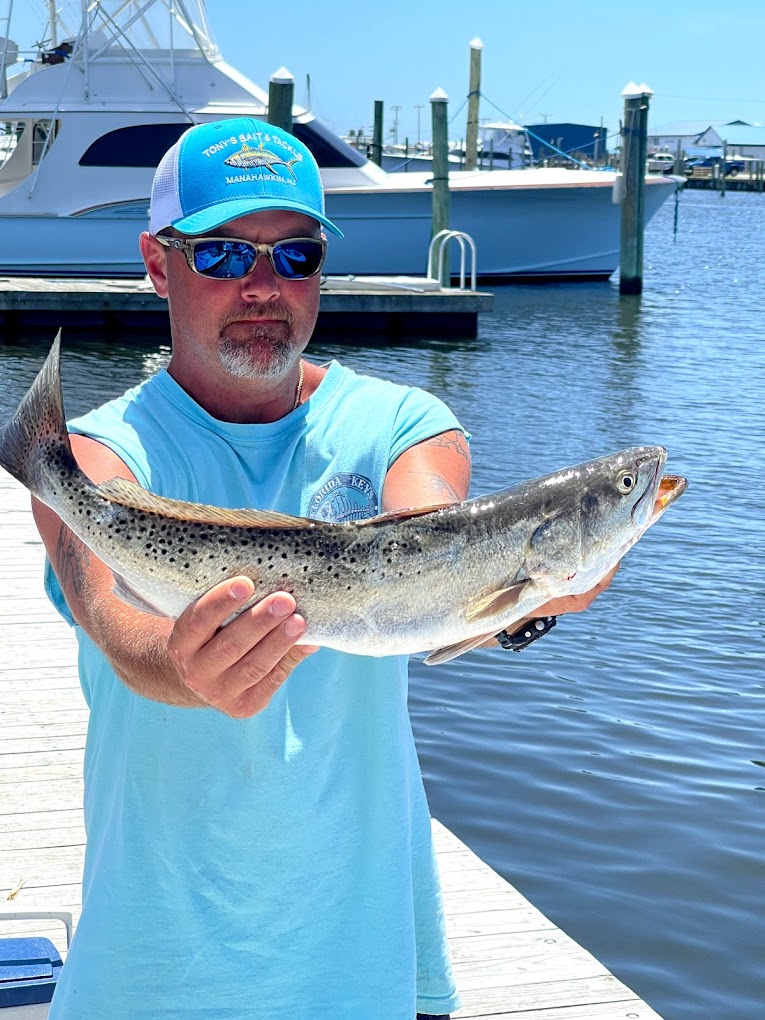
Speckled trout feed more aggressively in fall as cooler water pushes them onto grass flats and around oyster bars. They hunt shrimp and small baitfish, and larger specimens often appear in the mix. Because they gather in groups, action can remain steady once a school is located.
The Role of Tides
Inshore success is tied directly to tides. Slack tides, when water is not moving, generally result in slow fishing. Once current begins to flow, bait is pushed from creeks, grass edges, and oyster bars, and predators line up in waiting. In autumn, strong tidal swings are common, meaning more opportunities for bait to flush and predators to feed.
Nearshore fishing also benefits from tidal influence. Outgoing tides carry bait from estuaries into open waters, where larger fish gather along beaches and nearshore reefs to intercept them.
Weather and Fronts
Autumn is a season of weather change. Cold fronts sweep through coastal areas every few days, each one shifting conditions. Fish are highly sensitive to these changes.
- Before a front: Fish often feed aggressively in anticipation of the shift.
- During a front: Rough conditions and unstable pressure shut down activity.
- After a front: Fishing may slow until water stabilizes again.
This repeating cycle makes timing important. Many experienced fishermen plan trips around the days leading up to a front for the best action.
What Beginners Actually Notice on the Water
Someone new to autumn fishing will see obvious signs of life that may not be as apparent in other seasons. Nearshore, flocks of birds dive into the water, revealing feeding frenzies below. Schools of bait push along the surface, chased by mackerel or tunny. Water erupts as predators strike.
Inshore, shallow flats may show redfish tails breaking the surface. Shrimp leap out of the water as trout attack them in tidal creeks. Around passes and inlets, flat-bodied flounder ambush prey from sandy bottoms. At bridge pilings, sheepshead and drum cluster in easy-to-target groups.
The abundance of visible clues is part of what makes autumn a beginner-friendly season. With or without experience, it is easier to recognize where the action is happening.
Why Autumn Is So Productive
The common thread is food and preparation. Fish are feeding more aggressively because they need to build reserves before winter, when metabolism slows and prey becomes less available. Bait migrations and tidal movement concentrate food sources, and cooler water keeps fish more active for longer periods of the day. For these reasons, both nearshore and inshore waters offer steadier action and more opportunities than during the extremes of summer or winter.
Local Knowledge and Seasonal Success
Autumn conditions bring unmatched opportunities, but they also demand a level of awareness that only comes from time on the water. Tides that trigger redfish feeding one day can stall the bite the next, and schools of mackerel or false albacore often shift their location with each passing front. These moving parts make the season exciting, yet they can leave newcomers unsure of where to start. That is why relying on those who track these shifts every day makes such a difference when trying to take advantage of the season.
OBX Inshore Charters follows these changes every day, adjusting trips to match the tides, bait movements, and feeding windows as they unfold. That on-the-water experience means knowing which flats are holding schools of redfish, where trout are feeding most consistently, and how to stay on nearshore action when predators push bait along the beaches. By tailoring each trip to the season’s conditions, we make sure fishermen are in the right place at the right time, and for anyone ready to experience the full potential of autumn inshore and nearshore fishing, book a trip with us now and see firsthand how much the season has to offer.